

Lauri Nummenmaa, PhD
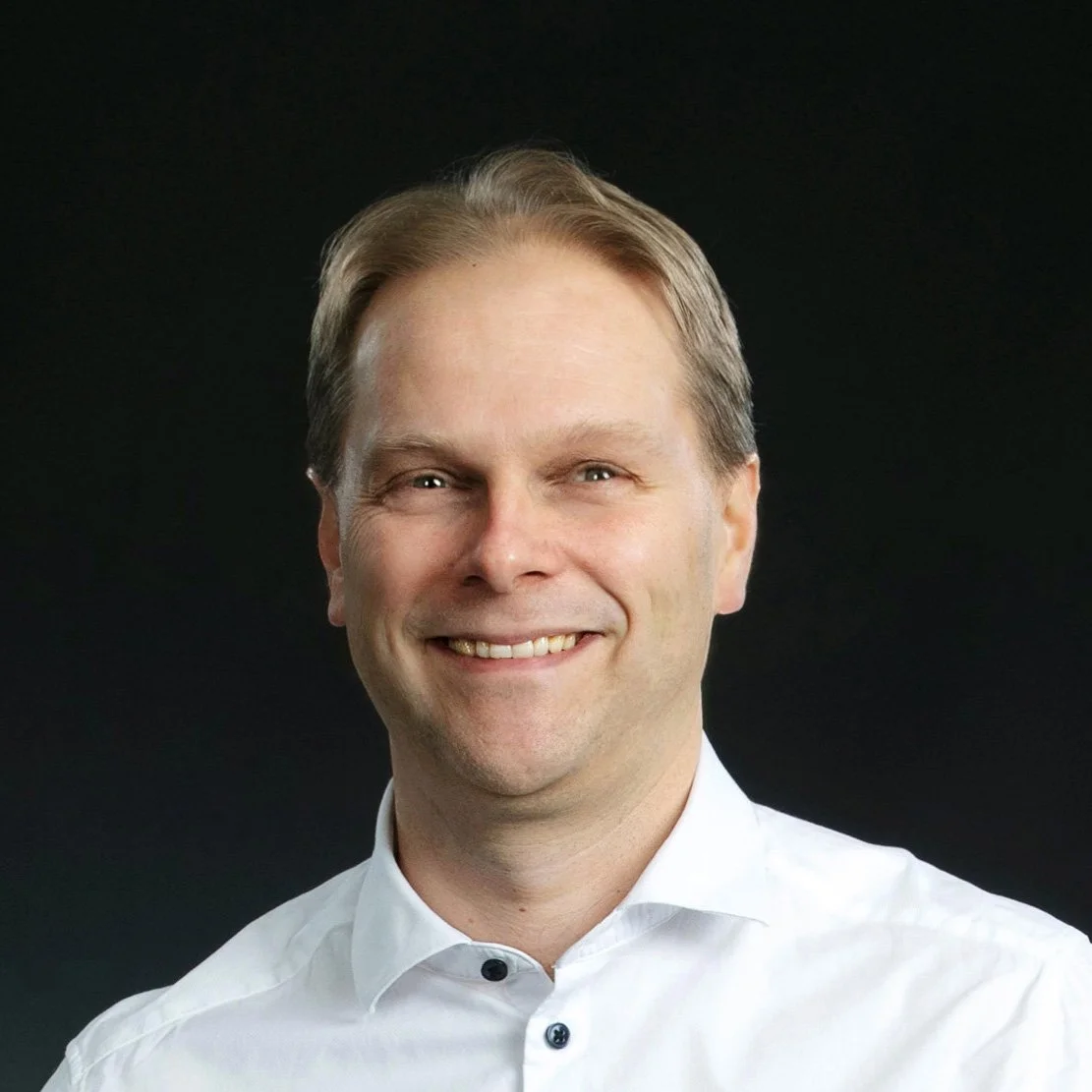
Lauri Nummenmaa, PhD, is Professor of Cognitive Neuroscience and Director of the Human Emotion Systems Laboratory at Turku PET Centre and the Department of Psychology, University of Turku, Finland.
Lauri completed his undergraduate studies in psychology and earned his PhD in the neurocognitive mechanisms of social attention at the University of Turku in 2006. He subsequently joined the MRC Cognition and Brain Sciences Unit in Cambridge, UK, as a postdoctoral researcher studying the neural mechanisms of face perception. He returned to Finland in 2008 as an Academy of Finland Junior Fellow, later advancing to Senior Fellow, with appointments at Turku PET Centre and Aalto University. He served as Assistant Professor in Cognitive Neuroscience at Aalto University before returning to the University of Turku with his laboratory.
A prolific researcher, Lauri has authored more than 150 scientific articles on the brain basis of emotions and social cognition and has secured over €8.5 million in competitive grant funding. His laboratory has been supported by the European Research Council, the Academy of Finland, the Jane and Aatos Erkko Foundation, the Sigrid Jusélius Stiftelse, the Gyllenberg Stiftelse, and the Emil Aaltonen Foundation.
Lauri's research investigates the functional and molecular neural mechanisms of human emotions and social interaction in complex, real-world settings. His group employs a multimodal methodology including MRI, PET, MEG, EEG, and behavioral techniques, with a particular focus on understanding how emotions shape human social life at both the neural and physiological levels.
Rodney Hicks, MD
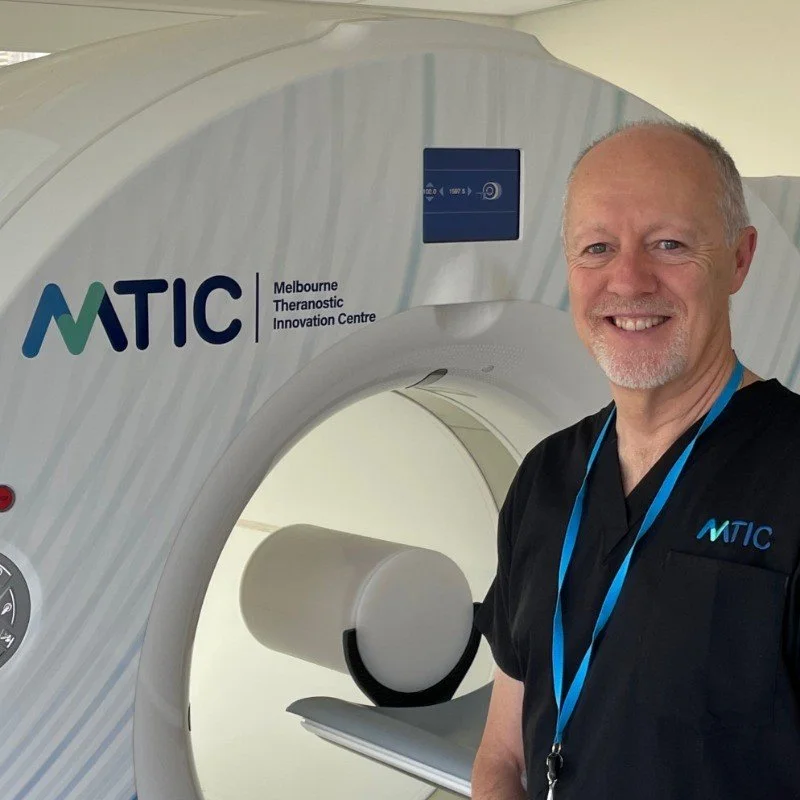
Rodney Hicks, MB BS, MD, is the founder of Precision Molecular Imaging and Theranostics (PreMIT Pty Ltd), a company he established to accelerate the development of novel theranostic paradigms. He earned his MB BS from Monash University and his MD from the University of Melbourne, and completed a fellowship in nuclear medicine at the University of Michigan.
Rodney has been a pioneering force in nuclear medicine in Australia for more than three decades. He established one of the country's first clinical PET facilities at the Peter MacCallum Cancer Centre in 1996 and installed one of the first PET/CT systems in the world in 2001. Throughout his career, he has been instrumental in the development and clinical validation of novel imaging probes and has led the advancement of radionuclide therapy in Australia, with particular expertise in agents including Sr-89, I-131 MIBG, I-131 rituximab, In-111 octreotide, Lu-177 octreotate, and Lu-177 PSMA.
Rodney's clinical work is grounded in a strong commitment to fundamental and translational research, with a focus on neuroendocrine tumours and neuroblastoma. He has been a vocal advocate for patients with rare cancers, championing personalized medicine and the unique molecular characterization of patients and their disease in the face of systems that tend to prioritize large industry-funded trials in common cancers.
Through PreMIT, Rodney continues to leverage his 30 years of experience and his extensive network of academic and industry collaborators to push the boundaries of theranostic medicine and improve outcomes for patients with the greatest unmet need.
Prof Benjamin G. Davis
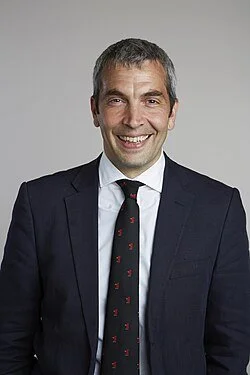
Benjamin G. Davis, BA, DPhil, FRS, FMedSci, is Professor of Chemistry at the University of Oxford, Fellow and Tutor in Organic Chemistry at Pembroke College, and Science Director for Next Generation Chemistry at the Rosalind Franklin Institute. He earned his BA and DPhil from the University of Oxford, where he developed his foundational expertise in carbohydrate chemistry, and completed a postdoctoral fellowship at the University of Toronto exploring protein chemistry and biocatalysis.
Ben joined the University of Durham as a lecturer in 1998 before moving to the Dyson Perrins Laboratory at Oxford in 2001, where he also received a fellowship at Pembroke College. He was promoted to Full Professor in 2005 and in 2019 took on the role of Science Director for Next Generation Chemistry at the Rosalind Franklin Institute. He has served in significant editorial leadership roles across the field, including as Editor-in-Chief of both Bioorganic Chemistry and Current Opinion in Chemical Biology, and currently serves as Senior Editor for ACS Central Science. He has also held the presidency of the RSC Chemical Biology Division and served as UK representative and Secretary of the European Carbohydrate Organisation.
Ben has been recognized with numerous prizes, awards, and named lectureships throughout his career. He was named among the top young innovators in the world by MIT Technology Review in 2003, was elected a Fellow of the Royal Society in 2015, and a Fellow of the Academy of Medical Sciences in 2019. He is co-founder of several companies spanning therapeutic glycoproteins, molecular imaging, agricultural biotechnology, and enzyme-based recycling, including Glycoform, Oxford Contrast, SugaROx, and Scindo.
His research group works at the intersection of synthetic biology, chemical biology, and chemical medicine, with a particular emphasis on carbohydrates and proteins. The group's interests span synthesis, biocatalysis, enzyme mechanism, protein engineering, drug delivery, glycobiology, and in vivo molecular imaging — united by a commitment to understanding and exploiting biomolecular function for therapeutic and scientific benefit.
Prof Connie Hoehr
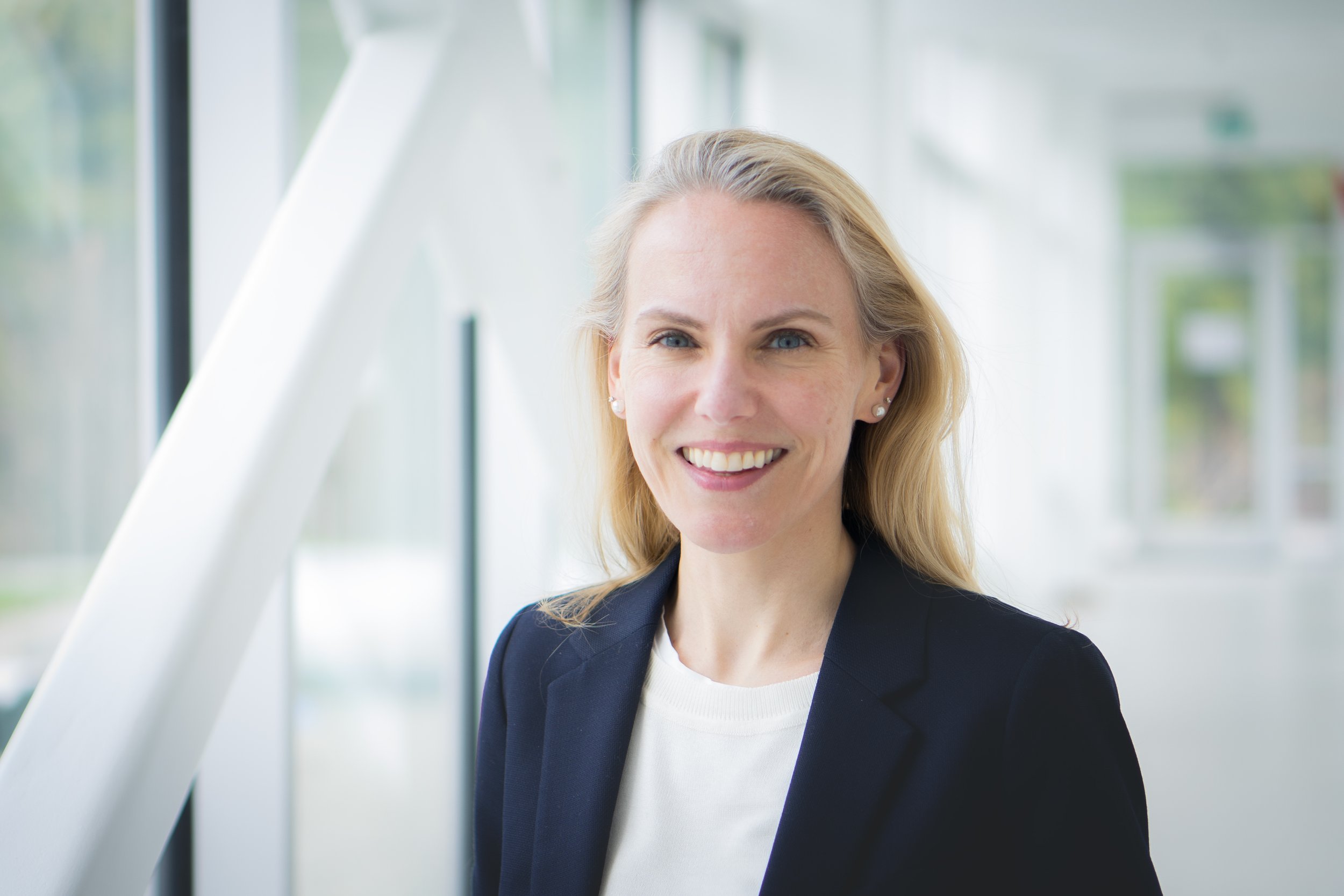
Cornelia Hoehr is a Senior Researcher and the Director of Life Sciences at TRIUMF, Canada’s national particle accelerator centre in Vancouver. Her work focuses on the production and application of medical isotopes for diagnostic imaging and targeted radionuclide therapy, bridging nuclear physics, radiochemistry, and medical applications.
Dr. Hoehr plays a leading role in advancing TRIUMF’s life sciences strategy, helping to shape the laboratory’s vision for translating accelerator-based technologies into impactful health and biomedical research. Her research program emphasizes the development of novel radioisotopes and innovative production methods to enable next-generation radiopharmaceuticals and theranostic approaches.
She collaborates widely with universities, hospitals, and international partners to advance the field of radiopharmaceutical sciences and to strengthen Canada’s role in the global medical isotope landscape. Her work contributes to improving access to critical isotopes for both research and clinical applications.
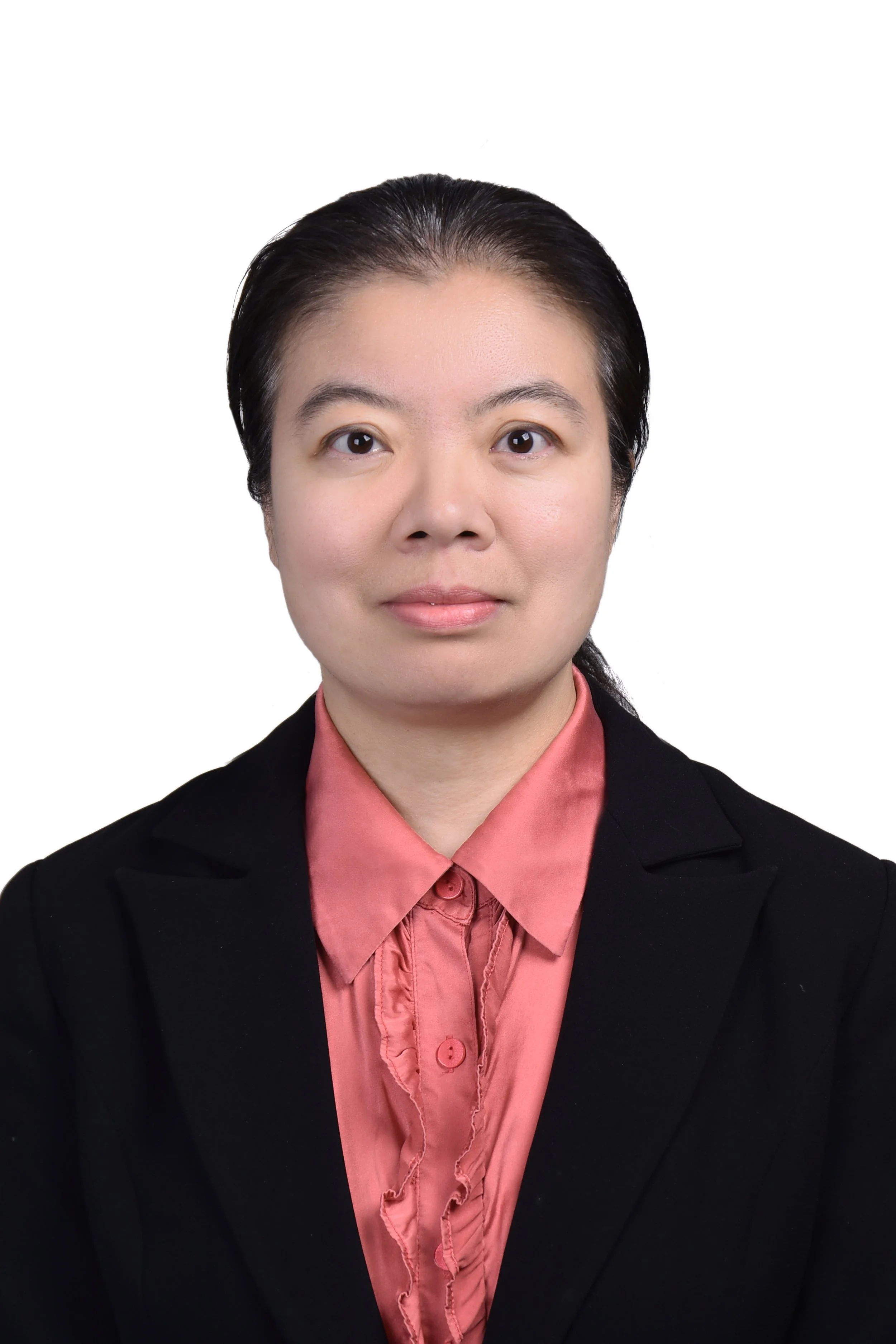
Prof Hongmei Jia
Dr. Hongmei Jia is a professor of radiopharmaceutical chemistry at College of Chemistry, Beijing Normal University, China. Her research interests span radiopharmaceutical chemistry and development of new radiotracers for imaging biological targets in the central nervous system and cancers. She has developed a number of PET and SPECT radiotracers for imaging the sigma-1 and sigma-2 receptors. Among them, (R)-[ 18 F]FBFP and (S)-[ 18 F]FBFP have been found to have excellent properties and are currently undergoing evaluation in humans for imaging the sigma-1 receptors in the brain.
In service to the community, Dr. Jia was a member of the International Scientific Committee for ISRS2017, ISRS2019 and TERACHEM 2018. Currently, she serves as Radiopharmaceutical Editor for the Journal of Labelled Compounds and Radiopharmaceuticals, and on the Editorial Board of Nuclear Medicine and Biology, and EJNMMI Radiopharmacy and Chemistry. She has served as Deputy Secretary-General of the Chinese Society of Radiopharmaceutical Sciences since 2018.
Prof. Jia has authored more than 100 peer-reviewed publications, holds six invention patents, and has made important contributions to the academic literature in radiopharmaceutical chemistry. As a Principal Investigator, she has been continually funded by research grants from the National Natural Science Foundation of China and Beijing Natural Science Foundation.